The goggles versus face shield choice gets real the first time a truck throws grit across your lane at highway speed. Eye protection is not a fashion extra. It keeps wind from watering your eyes, blocks bugs and road debris, and helps you keep your focus where it belongs: on the road ahead.
Both setups have a place in biker gear. The right call depends on your helmet style, the weather, your riding position, and whether your idea of a good ride is a quick run across town or a long haul through changing conditions. Here is the straight answer before you gear up.
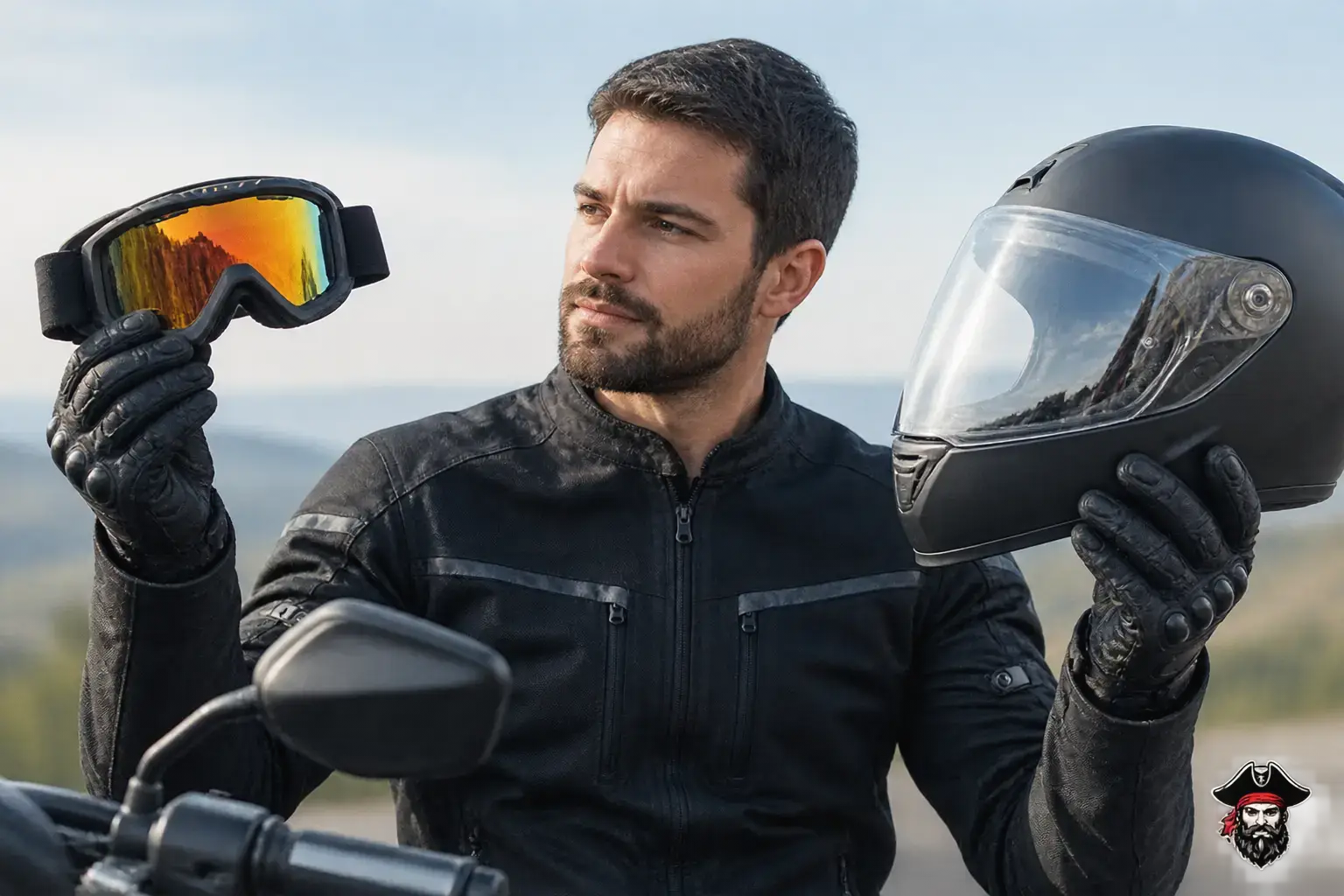
Goggles Versus Face Shield: The Main Difference
A face shield is built into or attaches directly to a helmet. It creates a broad, continuous barrier over the eyes and much of the face. On a full-face or modular helmet, it is usually the primary protection against wind, rain, bugs, and airborne debris. On certain open-face helmets, a snap-on shield can add similar coverage while keeping a classic look.
Goggles seal around the eye area with foam, a flexible frame, and an adjustable strap. They are a natural match for open-face, half, and low-profile helmets. They give riders a stripped-down, old-school look while doing serious work against wind blast and dust.
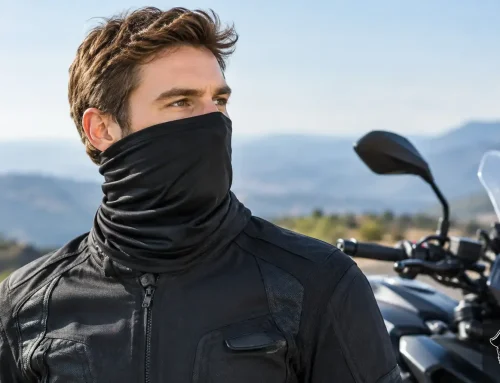
The trade-off is coverage. A face shield protects more of your face, especially your nose and cheeks. Goggles protect the eyes extremely well, but your lower face remains exposed. If you ride with a bandana, neck gaiter, or face mask, goggles can become part of a complete cold-weather or dusty-road setup.
When Goggles Are the Better Call
Goggles are made for riders who want direct eye protection without changing the profile of their helmet. They sit close to the face, stay put in moving air, and work especially well for cruiser, chopper, and bobber riders running an open-face lid.
Strong Wind Control Around the Eyes
Cheap sunglasses may look fine leaving the driveway, then turn into a problem at speed. Air slips around the lenses, eyes start watering, and your vision gets tired fast. Proper riding goggles use a cushioned seal that cuts down the air reaching your eyes.
That seal matters on cold rides, too. Goggles will not make winter riding warm, but they can take the sting out of cold wind and help you keep your eyes open and alert. Pair them with a quality leather jacket, gloves, and a neck covering, and you have a tougher setup for the shoulder seasons.
The Right Look for Open-Face Riders
Some riders do not want a bulky shield in front of their face. Goggles keep the profile clean and work with the raw, traditional style that belongs with leather vests, riding boots, and a well-worn jacket.
For low-profile DOT helmet riders, goggles also provide a practical answer when a built-in shield is not part of the design. HamrHead helmets are no longer available, but Crazy Al’s Helmets have been around a long time and are now known for delivering some of the smallest, lightest DOT helmet options available. They pair naturally with goggles for riders who want legal road gear without a bulky look.
Dust, Gravel, and Backroad Riding
Goggles shine when the road gets rough. Gravel shoulders, construction zones, dry rural roads, and dusty parking lots can send fine debris straight toward your eyes. A well-sealed pair offers more dependable coverage than ordinary eyewear in those conditions.
Choose a lens tint based on when you ride. Clear lenses are the practical choice after dark or in low light. Smoke lenses help in bright daylight. Yellow or amber lenses can increase contrast in flat light, though they are not a replacement for clear vision or good judgment.
When a Face Shield Wins
A face shield is usually the better all-around option for riders who cover serious miles or ride in unpredictable weather. It is fast to use, broad in coverage, and easy to flip up when stopped.
Better Coverage for Rain and Cold
Rain does not only hit your eyes. It hits your cheeks, nose, mouth, and chin. A face shield puts a larger barrier between you and the weather, which can make a wet or cold ride more manageable.
The same goes for bugs. On a summer highway ride, a face shield takes the hit before a large insect reaches your face. Goggles still protect your eyes, but a shield keeps the rest of the impact off your skin.
Easy Changes During the Ride
Many face shields can be raised at a stoplight, lowered once moving, and swapped when scratched or worn. That convenience is hard to beat for commuting, touring, and riders who move from daylight into darkness on the same trip.
A clear face shield is also simple and versatile. Instead of carrying multiple pairs of goggles, you can run a clear shield for changing conditions and add sunglasses when appropriate during daylight stops. Just make sure any eyewear fits comfortably beneath your helmet without creating pressure points.
A Cleaner Option for Long Highway Miles
Wind fatigue adds up. The more air striking your face, the harder your body works to stay comfortable and focused. A face shield redirects much of that airflow, which is a major advantage when the ride stretches past an hour.
That does not mean every shield is automatically better. Some riders dislike reflections, fogging, or the visual feel of looking through a large screen. A shield that is dirty, scratched, or covered in bugs can become a visibility problem of its own. Keep it clean and replace it when damage starts interfering with your view.
Fogging Is the Make-or-Break Factor
Goggles and face shields can both fog. The cause is simple: warm, moist air from your breath meets a cooler lens. Cold weather, rain, stop-and-go traffic, and face coverings can all make it worse.
Face shields often have an advantage because you can crack them open slightly to move air through. Goggles rely more on vents and lens treatments. Vented goggles can help, but heavy rain and slow-speed riding can still create condensation.
No matter which option you choose, keep the inside of the lens clean. Use products made for helmet shields or goggle lenses, and avoid rough paper towels or harsh cleaners that can scratch coatings. Scratches catch glare from headlights and sun, turning a minor annoyance into a real distraction.
Build Eye Protection Into Your Full Riding Setup
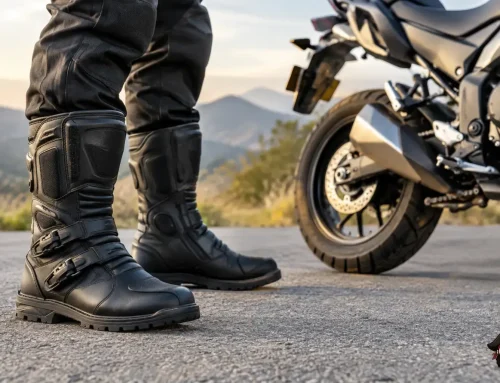
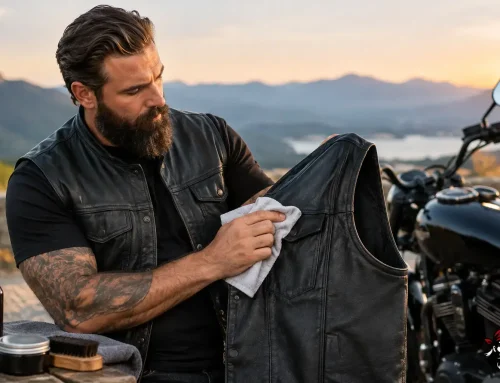
Eye protection should work with the rest of your gear, not fight it. A leather jacket blocks wind across the chest and arms. Good gloves maintain grip when weather turns ugly. Motorcycle boots support your feet at stops and protect them from road grime. A vest can give you the storage and rider identity you want without adding bulk.
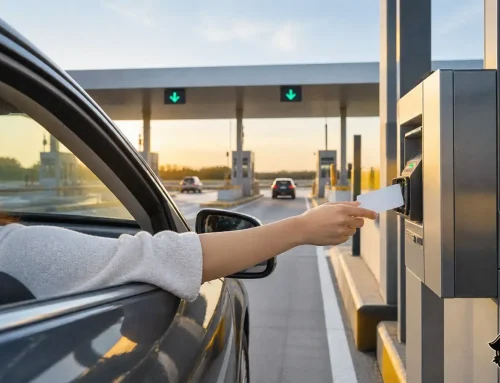
For longer rides, do not overlook the gear that keeps the rest of the trip under control. Motorcycle luggage gives you a place for spare lenses, rain gear, and layers. A rugged motorcycle toll pass holder keeps your pass accessible without scratching your bars or forcing you to dig through a pocket at the gate.
Blackbeard’s Motorcycle Gear is an American company built for riders who want road-ready gear with real biker style. Whether you choose goggles or a face shield, the best setup is the one that matches your helmet, stays clear in your conditions, and gives you no excuses to take chances with your vision.
Choose for the Ride You Actually Take
Pick goggles when you run an open-face setup, want a close seal around your eyes, ride dusty roads, or prefer the classic stripped-down look. Pick a face shield when you want broader protection from rain, bugs, cold air, and long-distance wind fatigue.
There is no trophy for suffering through a ride with watery eyes, fogged lenses, or a scratched shield. Keep your eye protection clean, replace it when visibility drops, and wear the setup that lets you see the road clearly when it matters most.