A helmet can look dead right on the bike and still be a bad buy once the miles stack up. That is where a real Daytona helmet review matters. Riders do not keep a lid because it looked good in a product photo. They keep it because it stays comfortable on long runs, feels right in the wind, and does the job without turning every ride into a fight.
Daytona has built a strong following with cruiser, chopper, and Harley-style riders for a reason. The brand understands that this crowd does not want gear that looks like it belongs on a track day if the bike is a road king, a softail, or a stripped-down custom. Riders in this lane want a helmet that fits the culture, keeps a clean profile, and still gives them the confidence that they are buying legit road gear, not costume-shop junk.
Daytona helmet review – what stands out first
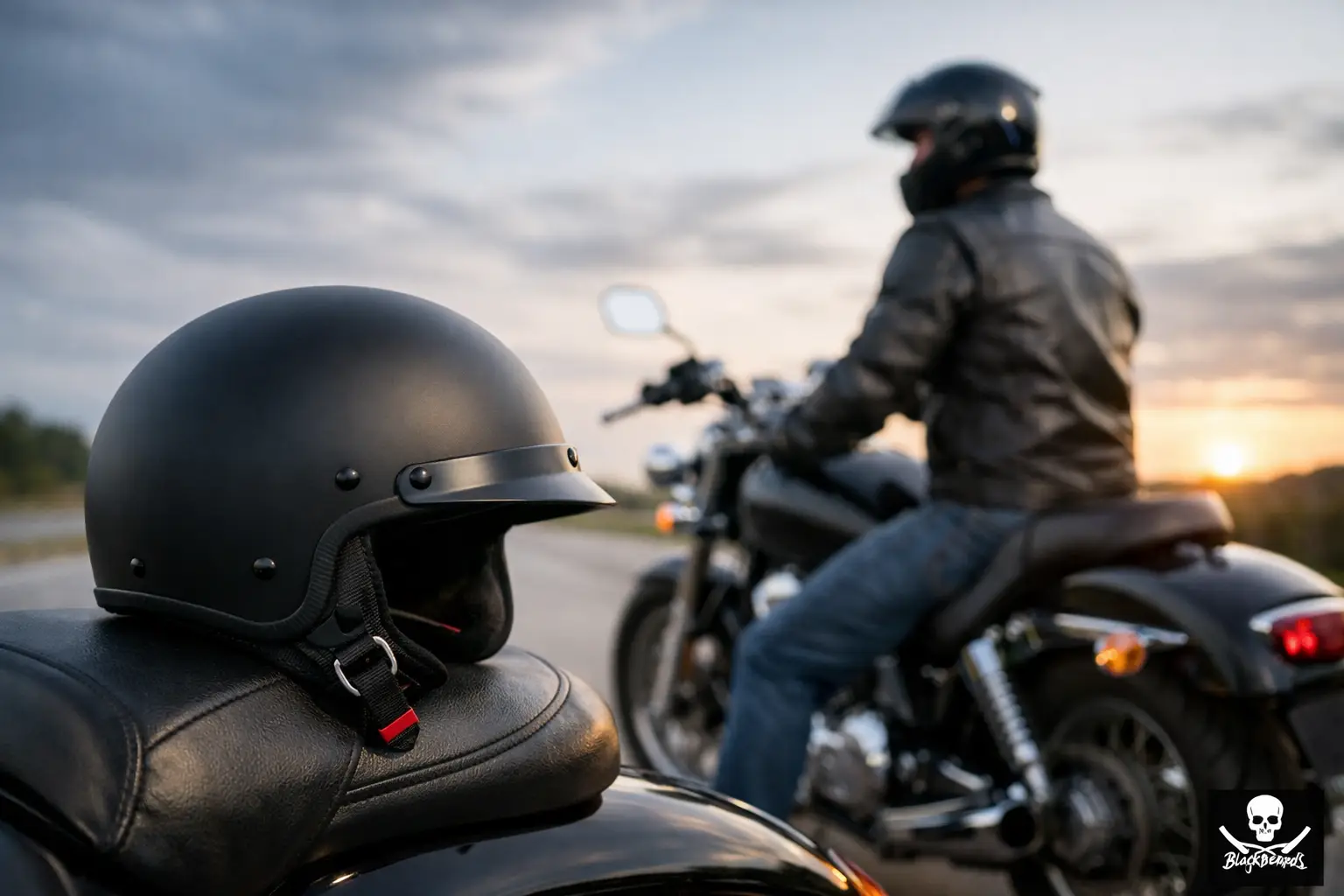
The first thing most riders notice about Daytona helmets is the styling. They are made for the biker crowd, and they do not hide it. The lines are clean, the shapes work with cruiser builds, and the overall look pairs naturally with leather jackets, vests, boots, gloves, and the kind of gear that actually belongs at a bike night or on a highway run.
That style-first impression would not mean much if the helmets felt cheap in hand. In most cases, they do not. Daytona helmets generally come across as purpose-built gear with solid finishing, practical hardware, and a design language that stays focused on everyday street riding. They are not trying to be everything for every kind of rider. That is a strength, not a weakness.
Another point in Daytona’s favor is brand clarity. Some helmet makers throw out a scattered lineup with no real identity. Daytona knows its rider. That matters when you are shopping online and need to cut through noise fast. If your taste runs toward classic American motorcycle style, the brand usually makes sense right away.
Comfort on the road matters more than showroom appeal
A lot of helmets sell on first impression. Fewer earn repeat use. Daytona helmets tend to do well with riders who want something they can wear for regular cruising, weekend trips, local runs, and event rides without feeling like they made a compromise every time they snap the strap.
Comfort is never just one thing. It is the way the helmet settles once you are moving, how the interior feels over time, how much distraction you get from pressure points, and whether the helmet becomes annoying after an hour instead of ten minutes. Daytona helmets have a reputation for being friendly to the kind of real-world riding many cruiser owners actually do – steady miles, upright posture, mixed city and highway use, and a lot of all-day wear during riding season.
That said, comfort depends on model and rider expectations. If someone is coming from a premium touring or sport-touring helmet loaded with extra features, a more stripped-down Daytona design may feel simpler. For a rider who wants less bulk, straightforward function, and a traditional biker look, that simplicity can be exactly the point.
Style and rider identity are part of the value
Let’s be honest – nobody riding a cruiser ignores appearance. A helmet is safety gear, but it is also part of the uniform. It has to work with the bike, the jacket, the boots, and the way the rider wants to show up. Daytona helmets understand that visual side of motorcycling better than a lot of mainstream brands.
This is one reason Daytona has stayed popular with riders who wear leather because they ride, not because it is a costume. A good leather jacket, a solid vest, and the right boots create a complete setup. The helmet has to match that same road-ready look. Daytona usually gets that balance right. It feels built for the rider who wants practical protection without giving up the tough, stripped-back style that defines biker culture.
For riders building out their full kit, that matters more than people outside the scene think. Gear should work together. If your helmet looks out of place with your riding leathers and the bike under you, it is harder to feel fully dialed in.
Build quality, finish, and everyday use
A useful Daytona helmet review has to deal with the day-to-day details. How does the helmet hold up to repeated use? Does it feel like gear or like a disposable accessory? In general, Daytona helmets land on the practical side of the value equation. They are made for riders who want function, durability, and a straightforward buying decision.
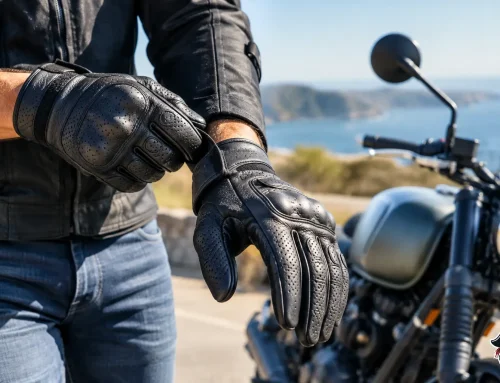
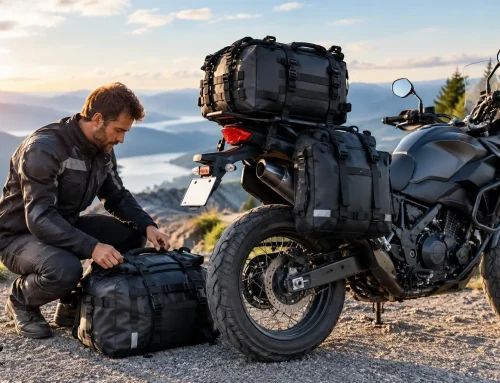
The finish tends to support that. Hardware and trim usually feel focused on getting the job done rather than loading on flashy gimmicks. That is a good fit for riders who want dependable gear and would rather spend the rest of the budget on a quality leather jacket, better gloves, rugged riding boots, or motorcycle luggage that actually sees hard miles.
There is also value in choosing gear that knows what it is. Daytona helmets are not trying to imitate high-end race lids or luxury touring helmets. They are made for a specific rider segment, and that focus helps keep the product line grounded. For many buyers, especially those who prioritize clean style and everyday usability, that makes the purchase easier.
Where Daytona helmets fit best
Daytona helmets make the most sense for riders who want biker-first style with practical street use. If your garage leans toward cruisers, baggers, choppers, bobbers, and Harley-style machines, the brand feels at home. If your gear setup centers on leather vests, classic jackets, riding boots, gauntlet gloves, and bags built for road travel, Daytona fits the picture.
They may be less compelling for riders who want highly technical touring features, maximum vent tuning, or a very tech-heavy helmet experience. That is the trade-off. Daytona’s appeal is not that it does everything. Its appeal is that it serves a lane very well.
That lane is bigger than some industry marketing would have you believe. Plenty of riders do not need a helmet loaded with bells and whistles. They need one that looks right, feels dependable, and performs well enough for the kind of roads they actually ride. That is where Daytona keeps earning attention.
Daytona helmet review – is it worth the money?
For the right rider, yes. A Daytona helmet usually makes sense when your buying priorities are clear. You want a helmet from a known biker-focused brand. You want style that works with cruiser culture. You want practical road use, not a science project. And you want value that leaves room in the budget for the rest of your setup.
That last part matters. Most riders are not shopping for a helmet in a vacuum. They may also need a new leather jacket for colder rides, fresh boots for better footing, upgraded gloves, or luggage for weekend travel. A helmet that gives solid real-world value without forcing an overspend can be the smarter move than chasing features you may never use.
It also helps that Daytona has a clear identity in the market. Buying from a brand that understands biker gear tends to reduce disappointment. The look, feel, and use case line up better. That kind of brand consistency matters when you want a setup that works together instead of a pile of random gear choices.
If you are the kind of rider who cares about road presence as much as basic practicality, Daytona is easy to understand. It is built for the rider who wants gear that belongs in the cruiser world. Not flashy for the sake of it. Not overloaded. Just direct, functional, and true to the style.
Blackbeard’s Motorcycle Gear speaks to that same rider. Good gear should earn its place mile after mile, whether it is a helmet, a leather jacket, a pair of boots, or the bag strapped to your bike for the weekend run.
The best helmet is the one you keep reaching for when the ride is real, the weather is decent, and the road is calling your name.