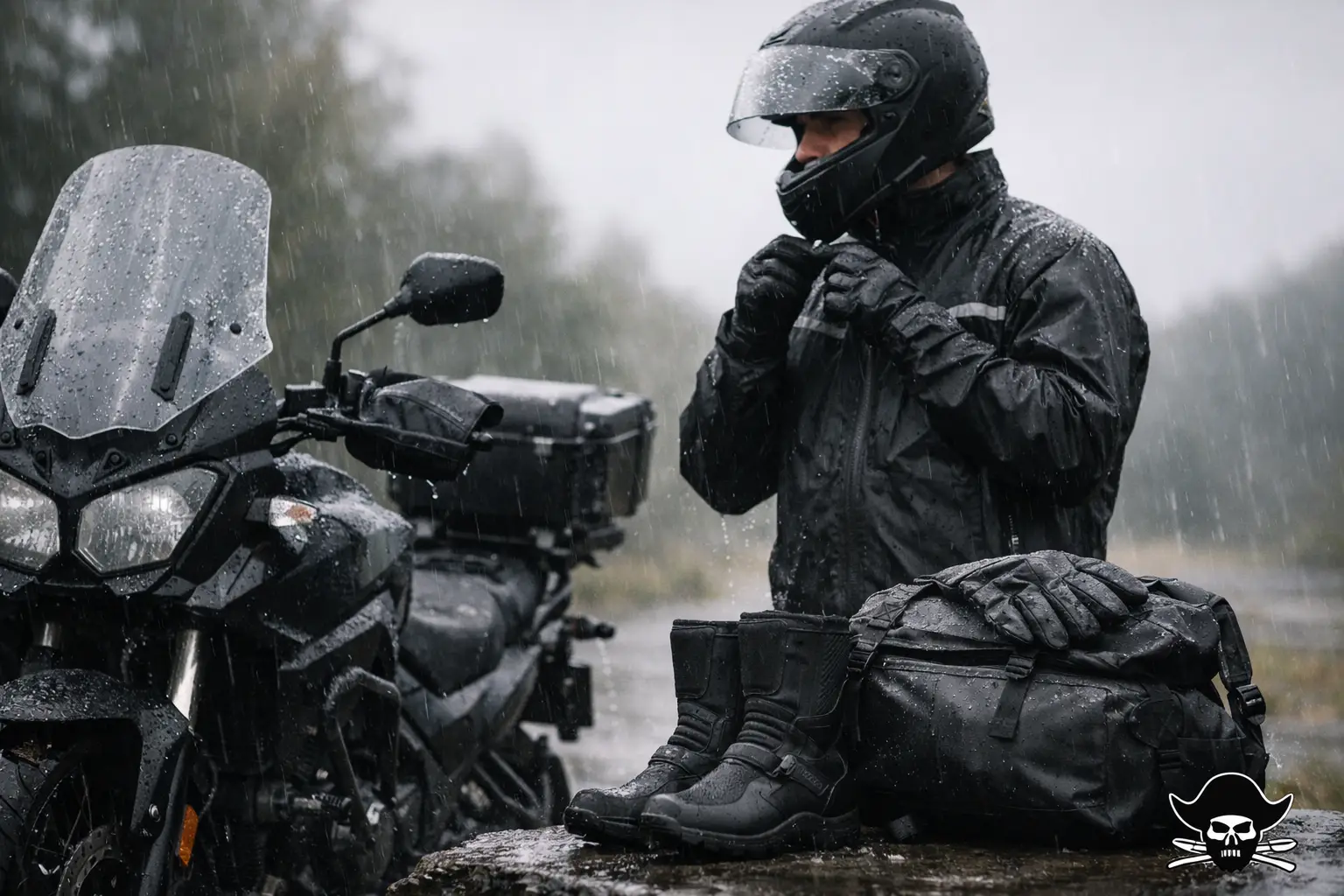
Rain has a way of exposing cheap gear fast. One hard ride through steady weather and the truth shows up in soggy cuffs, soaked boots, slippery gloves, and cold water creeping down your back. A solid motorcycle rain gear buying guide is not about chasing gimmicks. It is about buying gear that keeps you riding, keeps you comfortable, and does not quit when the road turns ugly.
For cruiser riders, touring riders, and everyday street riders, rain gear has to do two jobs at once. It has to block water, and it has to work with the way you actually ride. That means enough room over your regular layers, closures that stay put at highway speed, and materials tough enough to handle real miles instead of a few short commutes.
Motorcycle rain gear buying guide: what matters first
Start with the outer layer, because that is where most bad buying decisions happen. A lot of riders get pulled in by price alone, then end up with gear that feels clammy, balloons in the wind, or leaks at the seams. Waterproof material matters, but seam construction, closures, and fit matter just as much.
A rain jacket should have a cut that works in a riding position, not just standing in a store mirror. If the sleeves ride up when your arms are extended, water gets in at the wrists. If the back is too short, spray works its way up from the seat. A proper riding jacket or rain shell needs coverage where riders actually need it – longer in the back, secure at the collar, and snug enough at the cuffs to keep water from traveling inside.
Rain pants deserve the same attention. Riders often treat them like an afterthought, but they do most of the dirty work. Road spray comes from below, not just above. Good rain pants should go on easily over jeans or riding pants, with enough opening at the leg to clear your boots. If you have to fight with them on the side of the road, they are already a bad buy.
Material choice depends on how often you ride in wet weather. If rain is a once-in-a-while problem, a packable over-suit can make sense. If you ride long distance, commute regularly, or get caught in weather often, heavier-duty gear pays for itself. That is especially true for riders who want gear that still looks right with the rest of their setup and does not feel like disposable plastic.
Jackets and vests that still work in the rain
Leather and rain get talked about like they can never belong in the same sentence. That is not the full story. High-quality leather riding gear still has a place in wet-weather riding, especially when it is built well and maintained correctly. Leather does not replace dedicated waterproof rain gear, but it can be part of a smarter system.
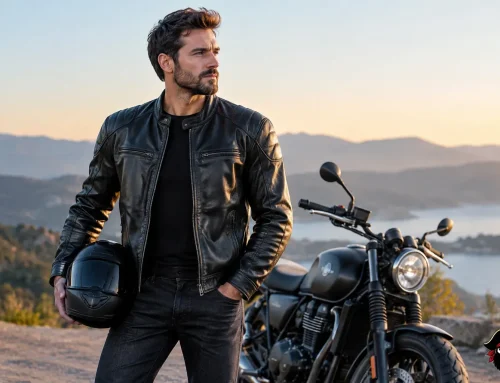
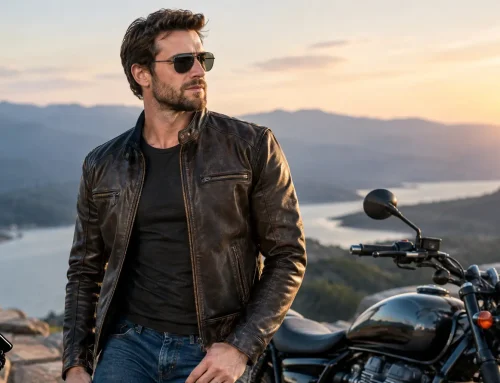
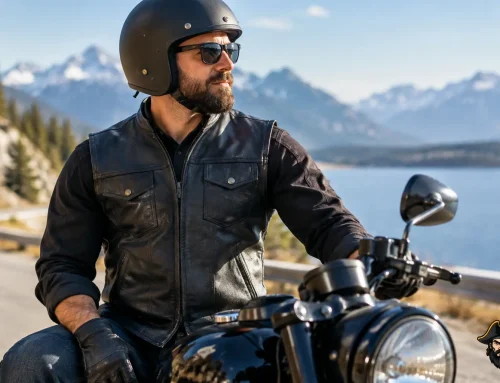
A quality leather jacket gives you structure, abrasion resistance, and real road presence. When the weather turns, many riders layer a waterproof shell over it instead of relying on a thin all-in-one jacket that does nothing well. That approach works because it lets your core protective layer stay the same while your weather layer changes with conditions.
Vests are similar. A leather vest will not keep the rain out on its own, but it adds warmth through the chest and helps preserve that biker look when layered under an outer shell. For riders who care about style as much as function, that matters. Good gear should work on the road and still look like it belongs there.
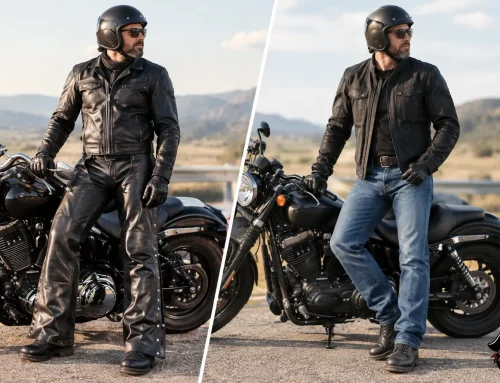
The trade-off is simple. Leather looks better, wears better, and holds up for the long haul, but a dedicated waterproof outer layer is still the better tool for sustained rain. If you ride through changing weather instead of all-day storms, a layered setup often gives you more value than buying one bulky piece that tries to do everything.
Gloves, boots, and the gear riders forget
The fastest way to ruin a cold-weather rain ride is wet hands. Once gloves soak through, grip gets worse and comfort drops hard. Waterproof gloves need more than a weather label. Look for gauntlet-style coverage, secure wrist closures, and enough feel in the fingers to work your controls without fighting the material.
There is always a trade-off with gloves. Heavier waterproof gloves usually block weather better, but they can reduce feel at the controls. Lighter gloves feel better, but they may not last through a long downpour. If you mostly ride short distances, you can get away with less bulk. If you spend hours in the saddle, weather protection wins.
Boots matter just as much, maybe more. Water running down your pant leg will find the top of a low-cut boot every time. A proper riding boot with solid height, durable construction, and water resistance makes a major difference. This is one area where quality materials earn their keep. Cheap boots crack, soak through, and stay wet. Better boots hold their shape, protect your feet, and keep working ride after ride.
Neck wear also pulls more weight than most riders expect. A simple piece that seals the gap around the collar can stop cold water from sneaking down your jacket. Small upgrade, big payoff. On a long wet ride, those little failure points add up fast.
Don’t ignore luggage and storage
A lot of rain problems start before the ride even begins. If your spare gloves, shirt, papers, or tools are sitting in weak luggage, you are carrying around a bag full of wet problems. Motorcycle luggage should be tough, secure, and able to protect what you bring with you.
For daily riders and tourers, water resistance in bags is not optional. You want closures that actually seal, construction that can handle vibration and weather, and materials that do not give up after one rough season. This is especially important for riders carrying electronics, paperwork, or extra layers.
The same practical thinking applies to smaller accessories. A rugged toll pass holder may not sound like rain gear, but if it is built right, mounted securely, and easy to use with gloves on, it takes one more headache off the bars in bad weather. Practical gear is not just about staying dry. It is about keeping your ride simple when conditions get worse.
How to buy rain gear that fits your riding style
The best motorcycle rain gear buying guide does not tell every rider to buy the same setup. It depends on how you ride. If you are a weekend rider who mostly watches the forecast, you may only need a dependable packable shell, waterproof gloves, and solid boots. If you commute or tour, you need a more serious system with durable outerwear, backup dry layers, and luggage that can handle repeated exposure.
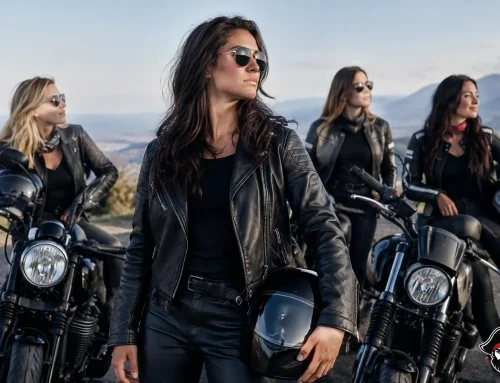
Cruiser and Harley-style riders usually want gear that works without killing their look. That is fair. Nobody wants to show up wearing gear that feels like a trash bag with zippers. The good news is you do not have to choose between function and identity if you buy smart. A quality leather jacket, vest, or pair of boots can stay at the center of your setup, with weather protection layered where it counts.
It also pays to think about entry and exit. Rain gear that takes ten minutes to pull on is gear you will avoid until you are already wet. Easy zippers, adjustable cuffs, and boot-friendly pant openings are not luxury details. They are the difference between using your gear and leaving it stuffed in a bag.
Price matters, but so does replacement cost. Bargain rain gear looks cheap because it is cheap. If it tears, leaks, or fails after a short stretch, you did not save money. You bought twice. Riders who spend real time on the road usually learn that lesson the hard way.
What is worth spending more on
If your budget is tight, put your money into the pieces that fail hardest when they are low quality. Boots and gloves are near the top of that list, because wet feet and wet hands make a ride miserable in a hurry. After that, focus on your main outer layer. A jacket or shell with dependable closures, stronger material, and better construction will outperform a flimsy option every time.
This is also where good leather earns respect. High-quality leather gear is not throwaway apparel. It is built for riders who want toughness, style, and long-term value. Pair it with the right rain layer, and you get a setup that looks right in the lot and works right on the highway.
Blackbeard’s Motorcycle Gear leans into that idea for a reason. Riders want road-ready leather, strong hardware, dependable boots, and practical accessories that do the job without looking soft. That is not hype. That is what riders actually buy when they are tired of replacing weak gear.
Buy for the ride you really do, not the one you imagine. If rain shows up, your gear should already be ready for it.