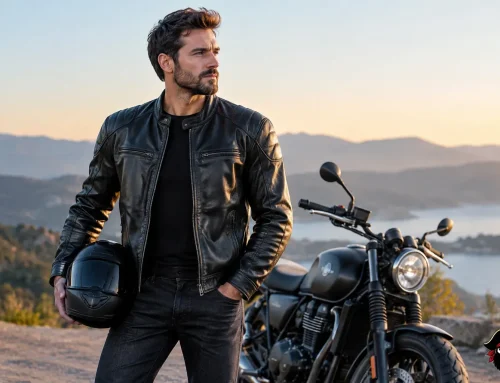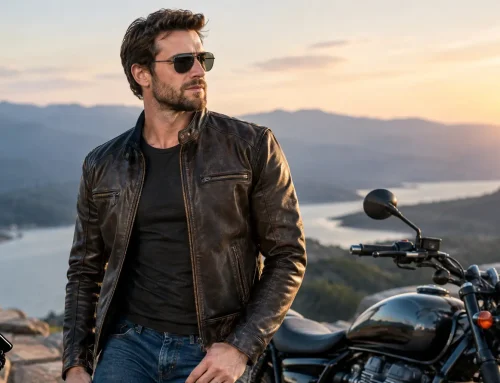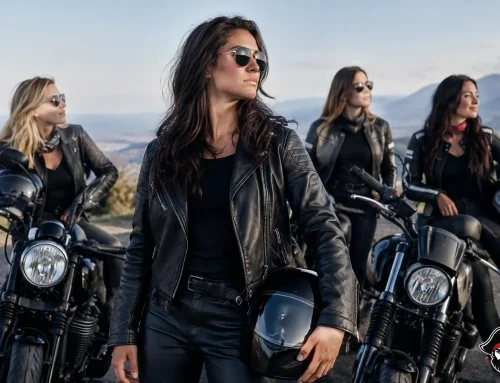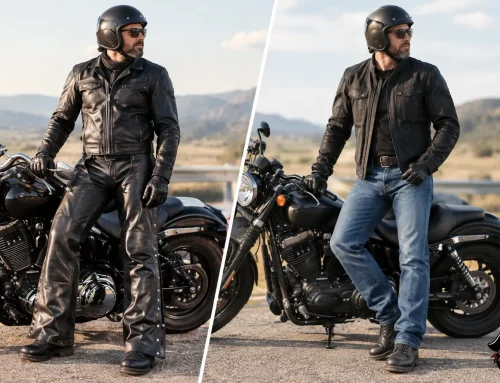
A bad boot will let you know fast. You feel it at the first stoplight when the sole slips on gravel, when the shifter chews up the toe box, or when hot spots start burning before the ride really begins. A solid cruiser motorcycle boot buying guide cuts through the fluff and gets to what matters – protection, comfort, grip, and the kind of look that actually fits a cruiser rider.
Cruiser boots are not just work boots with a biker label slapped on them. The right pair needs to hold up on the bike, feel stable at stops, and still look right when you park and walk into a roadside diner. For cruiser and Harley-style riders, that mix of function and attitude is the whole point.
What a cruiser boot needs to do
A cruiser rider asks different things from a boot than a sport rider or a dirt rider. You are usually spending long hours in a relaxed riding position, working floorboards or forward controls, and putting your feet down often in parking lots, gas stations, and uneven roadside shoulders. That means your boots need easy all-day comfort, but they also need enough structure to protect your feet and ankles if things go wrong.
The first job is basic protection. Real motorcycle boots should give you more coverage than a casual leather shoe and more stability than a soft fashion boot. Look for over-the-ankle height as the baseline. Low-cut boots might look clean, but they leave too much exposed and usually do not give enough support.
The second job is control. A boot that is too bulky around the toe can make shifting sloppy. A boot that is too soft through the sole can leave your feet tired after a long day on pegs or boards. You want enough stiffness to support the foot, but not so much that walking feels like wearing ski gear.
Then there is style. Cruiser riders care how gear looks because rider identity matters. Clean black leather, harness styling, engineer boot lines, or a plain square-toe road boot all fit the culture better than something flashy and overbuilt. Good boots should look road-ready, not costume-grade.
Cruiser motorcycle boot buying guide: start with leather
If you ride a cruiser, leather is still the standard for a reason. Good leather breaks in better than most synthetics, handles road wear well, and matches the rest of a biker wardrobe without trying too hard. A quality leather motorcycle boot also tends to age better. Scuffs and creases usually add character instead of making the boot look worn out.
That said, not all leather boots are built the same. Thick, full-grain leather generally gives you better durability and abrasion resistance than thin fashion-weight leather. If the boot feels soft and flimsy right out of the box, that is not always a good sign. A proper riding boot should feel sturdy without being miserable.
Oil-resistant and water-resistant treatments are also worth paying attention to. Cruiser riders put miles on in mixed conditions, and wet pavement is no place for a slick sole. Leather can handle a lot, but treated leather gives you an edge when weather or road grime turns ugly.
If you are shopping value-first, this is where smart buying matters. You do not need the most expensive pair on the market, but you do want a boot made by a brand that understands riding gear, not just fashion footwear. That difference usually shows up in the leather quality, hardware, stitching, and sole construction.
The sole matters more than most riders think
A lot of buyers focus on the upper and ignore the bottom. That is a mistake. The sole is where traction, comfort, and bike feel all come together.
For cruiser riding, a slip-resistant rubber sole is the safe bet. You want grip on pavement, painted parking lines, and gas station concrete. A hard, slick sole may look traditional, but it can turn a simple stop into an awkward scramble.
Heel height also matters. A slight heel works well for many cruiser riders because it helps hold the foot in place on pegs and gives a stable plant at stops. Too tall, though, and walking gets annoying. Too flat, and some riders feel less locked in. This is one of those it depends situations. If you ride with floorboards, a flatter feel may work fine. If you run pegs, a defined heel can be more useful.
Pay attention to sole stiffness too. A very soft sole is comfortable off the bike, but on a long ride it can create fatigue. A firmer sole spreads pressure better and usually feels more planted.
Fit should feel secure, not cramped
The best-looking boot on the shelf is useless if it fights your foot every mile. A proper cruiser boot should feel secure in the heel, stable around the ankle, and roomy enough in the toe box that your toes are not jammed forward at stops.
New leather boots should feel firm, not painful. There is a difference. Leather will give some over time, but a boot that pinches hard or creates pressure points from day one usually stays a problem. On the other hand, a boot that already feels loose in the heel is likely to get sloppier as it breaks in.
Think about how you actually ride. If you are a weekend bar-hopper doing short runs, you can tolerate a little more stiffness and weight. If you do day rides or touring on a cruiser, comfort needs to move higher on the list. That is why many experienced riders keep coming back to boots that balance protection with walkability instead of chasing the toughest-looking pair every time.
Closures, hardware, and easy on-off
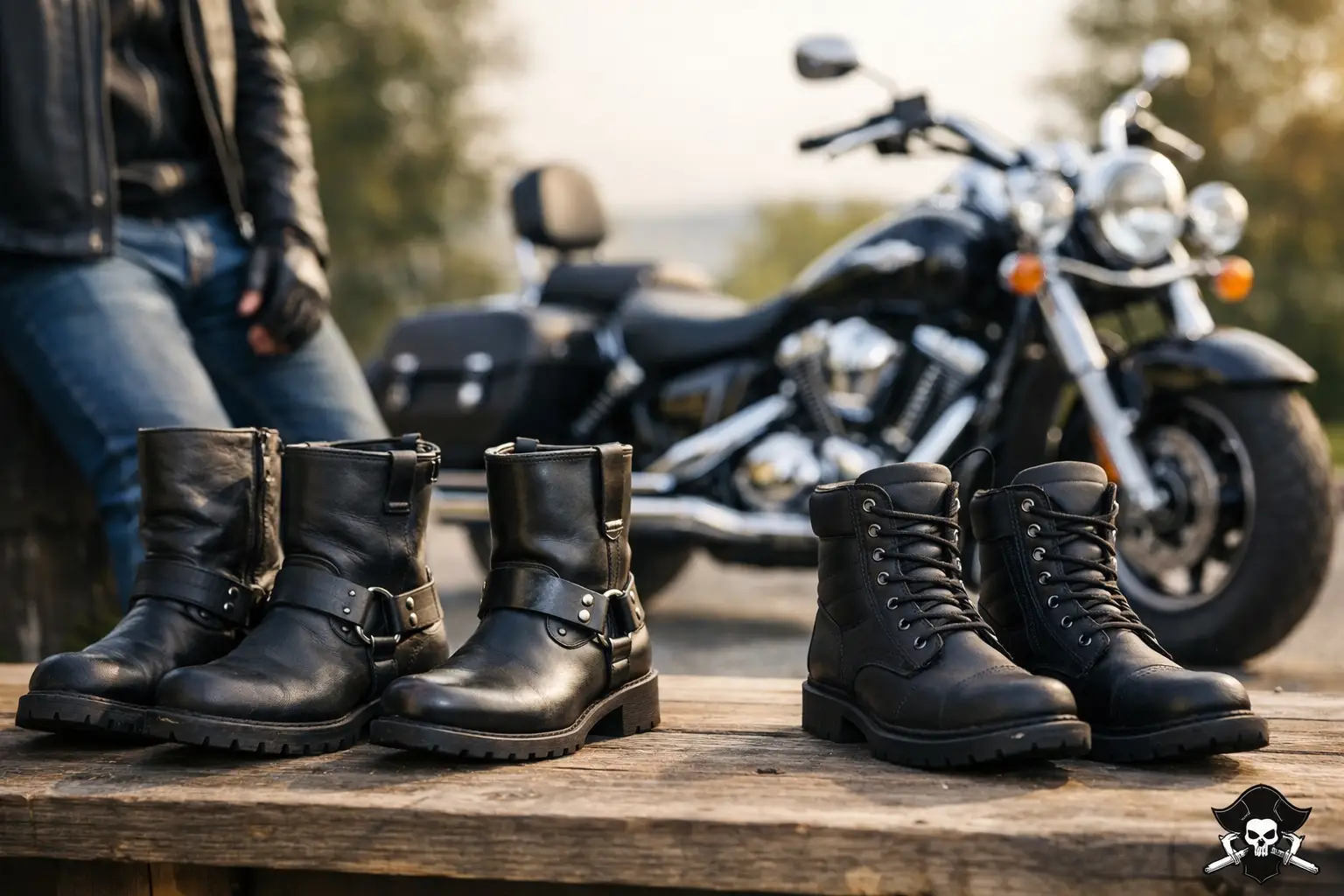
Pull-on engineer boots have old-school cruiser appeal, and plenty of riders still swear by them. They are clean, simple, and built for the look. The trade-off is convenience and adjustability. If the shaft shape does not work for your leg and ankle, pull-ons can be a chore.
Side-zip boots are popular for a reason. They give you a fast on-off routine without giving up a classic leather boot profile. For everyday riders, that convenience matters more than people admit. If the zipper is heavy-duty and backed by solid construction, it is a practical choice.
Lace-up boots can deliver a more dialed-in fit, but they need extra care. Loose laces near moving parts are not something you want to ignore. If you prefer lace-up construction, look for designs that manage the laces cleanly and keep the profile tidy around the bike.
Buckles and straps mostly come down to style unless they are actually adjusting fit. Good hardware should feel solid, not decorative and flimsy. Cheap hardware is often one of the first things to fail.
Protection features worth paying for
A cruiser motorcycle boot buying guide should be honest about this – not every rider wants a heavily armored boot, and not every ride calls for the same level of protection. Still, there are a few features worth taking seriously.
Reinforced toe areas help with both shifting wear and impact resistance. Reinforced heels add stability and durability. Ankle support matters because low-speed drops and awkward footing happen more often than riders like to admit. Some boots also include crush-resistant support or internal protection panels, which can be a smart upgrade if you ride often or commute regularly.
You do not have to buy the most aggressive protective boot to get real value. For cruiser riders, the sweet spot is often a tough leather boot with sensible reinforcement, dependable soles, and enough structure to handle the road without looking like track gear.
Weather, season, and how you really use them
One pair does not do every job equally well. If you mostly ride in hot weather, a full heavy leather lined boot may feel like overkill. If you ride through cold mornings and wet roads, lightweight fashion-forward options stop looking smart fast.
Breathability matters, but so does weather resistance. A boot that runs a little warmer but keeps your feet dry will usually be the better long-haul choice. If you only ride fair-weather weekends, you can lean more toward comfort and style. If the bike is part of your weekly routine, build for function first.
This is also where value comes in. A strong leather boot with quality construction may cost more upfront, but replacing a cheap pair every season is not a bargain. Riders who know the difference tend to buy once and ride longer.
Style counts – but only when the boot can back it up
There is nothing wrong with wanting a boot that looks mean parked next to your cruiser. That is part of the culture. But the right look should come after the right build, not before it.
The best cruiser boots carry that classic biker edge without sacrificing road function. Clean leather, solid soles, practical height, and a shape that works with jeans or riding leathers usually win over trendy details. If a boot looks good online but skips the basics, keep moving. Road-ready always beats showroom-only.
For riders shopping leather gear, that same rule applies across the board. A boot should match the toughness of the rest of your setup, from your jacket to your gloves to your luggage. Blackbeard’s Motorcycle Gear leans into that kind of no-nonsense value because riders need gear that pulls its weight, not gear that just photographs well.
When you buy cruiser boots, think like a rider, not a browser. Check the leather, check the sole, check the support, and be honest about how you ride. The right pair should feel like part of the bike the first time you put a foot down.